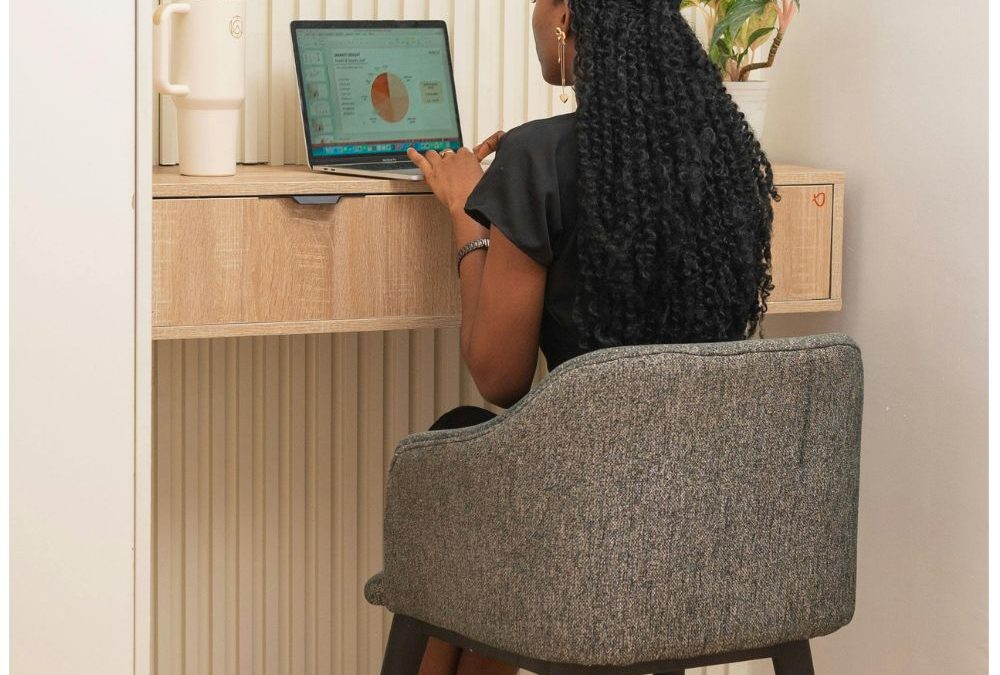
With such a significant percentage of society working from home and increasing number of our patients presenting with spinal issues seemingly affected by lack of movement and/or poor home office ergonomics, we thought it would be timely to run through some simple steps on how you can set up your home office and make working from home easier on your body. Dr Nick Brasher (Osteopath) has some handy tips to get your home work space up to scratch.
Over recent months we have noticed a significant shift in the types of issues that our clients are presenting to the clinic. With organised sport on pause and gyms closed for the foreseeable future gone are the acute muscle tears and impact injuries, seemingly replaced by more sedentary issues such stiffness, headaches and low back pain. The biggest factor in this shift, in our opinion, is immobility.
The number one enemy to those working from home is a lack of movement. Gone are the inadvertent walks from office to office, meeting to meeting, the coffee breaks or chatting to colleagues at the water cooler. They have been replaced by Zoom calls, scrolling from one screen to the next and, before you know it, the only movement you have performed for the day was a toilet break and lunch. So our single biggest piece of advice to those working from home is to take regular breaks (every 30-45 minutes), even if brief. Something is better than nothing, as the saying goes, “movement is medicine.”
If you have access to a “sit-stand” desk that is a fantastic option. It encourages inadvertent movement and helps you avoid the vertical compression through the spine that sitting creates.
If you are sitting:
Your monitor should be somewhere between horizontal to eye level and 30 degrees below it, at a distance approximately the length of your arm;
Your chair should be adjustable in height and also allow for full-length spinal support with your buttocks at the back of the seat and the support reclined to 10-20 degrees from vertical;
Keyboard, screen, mouse and any document holders or other frequently used objects should be centrally located and easily accessible, allowing your arms to rest at 90 degrees at the elbow comfortably;
Thighs should be parallel, knees at 90 degrees and feet flat on the floor. If your feet do not reach the floor, and you cannot adjust the height of the desk, you can use a footrest.
If you or your employer have any specific questions regarding your office setup or would like one of our Osteopaths to run an eye over your current setup, please contact the clinic.
Click here for a great poster to share with your workplace some handy tips about setting up your home office.
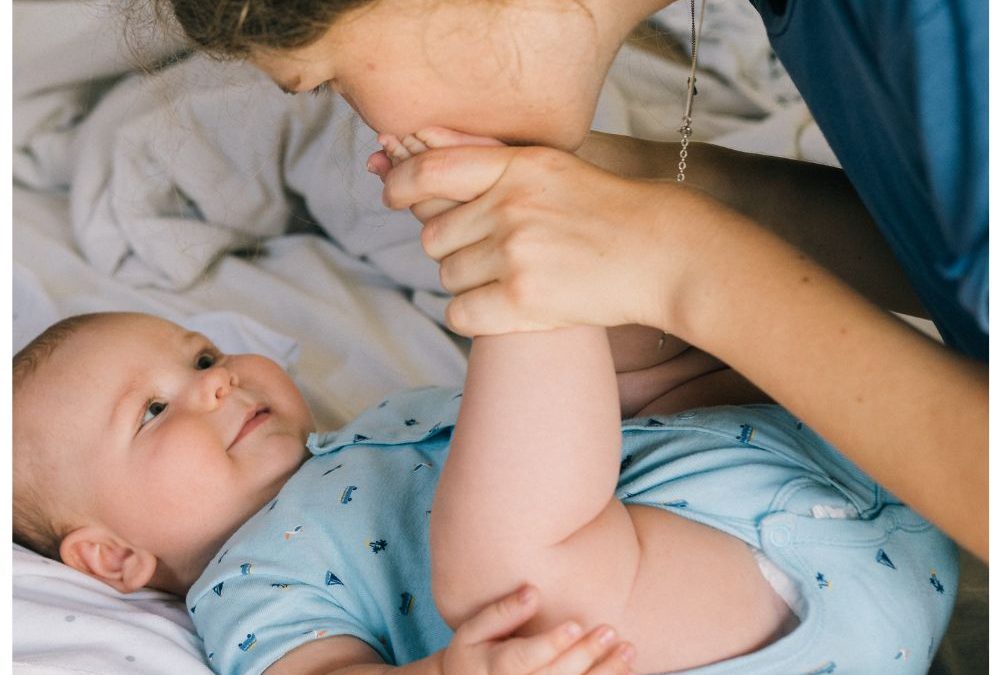
If you’re about to become a parent, here’s my exercise prescription for pregnancy and new mums. During pregnancy, the body undergoes a variety of changes as it prepares itself for childbirth so here are some exercises that are great for pregnant women. Some of these changes can contribute to pain and discomfort for the expectant mother. The growing baby places an increased strain on the muscles of the stomach, back and pelvic floor and when combined with relaxin (a hormone secreted by the placenta that relaxes the ligaments of the body) can contribute to pelvic, back, hip and nerve pain. In order to assist in managing and prevent subsequent pain, certain exercises may be prescribed or recommended both pre- and post- partum. Dr Belle Picco, osteopath, takes us through some of these.
Exercises for women during pregnancy
General cardiovascular exercise
Why: has been linked with overall health and wellness and reduced rates of depression in pregnant women.[i]
Types of exercise: walking, swimming, bike riding.
Pelvic floor stability / strength
Why: Pelvic floor strengthening exercises help to improve the tone of the muscles, which is linked with reducing postpartum urinary incontinence (2).
Types of exercise: voluntary contraction, inward and upward and hold – aim to hold for 5-10 seconds before relaxing for 5 seconds and repeat multiple times a day (roughly aim for 10-20 a day). *This exercise is tricky! Please speak to your osteopath or myotherapist about how to perform this correctly.
Strengthening exercises
Why: strengthening the muscles of the stomach, glutes and lower back and can assist in alleviating lower back and sacroiliac joint pain which are commonly implicated in pregnancy.
Types of exercises: squats, pelvic tilts, lunges, side lying hip abduction.
Stretching and self-release
Why: to help take as much pressure off the lower back – typically necessary through the glutes and lower extremity.
Types of exercises: seated piriformis and glute stretch (sit down with your feet flat on the floor, lift one leg and place your ankle on to the opposite knee and hold for 20-30 seconds), standing hamstring stretch (place foot up on to a step and have a slight bend through the knee, then hinge forward from the hips and hold for 20-30 seconds).
Exercises for women postpartum
Pelvic floor strength / stability
Why: Post partum pelvic floor stability has been linked with an improved physical recovery.[ii]
Types of exercise: as above.
Shoulder strengthening work
Why: this will aim to counteract the internal rotation of the shoulders that tends to go hand in hand with feeding, carrying and cuddling new babies.
Types of exercises: Resistance band external rotation, resistance band 45 degree rows.
Gluteal activation
Why: a common complaint we see in clinic with new mums is back pain. This is commonly attributed to the new set of daily tasks including bending over, lifting and feeding. One way to help limit back pain is by strengthening the glute muscles to assist in taking increased strain off the back itself.
Types of exercises: supine glute bridges with resistance band, crab walks with resistance band and side lying hip abduction.
This exercise prescription for pregnancy and new mums is general and not specific to each individual. If you have any questions about specific exercises and rep ranges for you or someone you know, please speak to one of our osteopaths or myotherapists so we can tailor these programs to your needs.
[i]Kramer K, McDonald S. Aerobic exercise for women during pregnancy review. The Cochrane Collaboration. 2010(6).
[ii]Mørkved S, Kari B. Effect of pelvic floor muscle training during pregnancy and after childbirth on prevention and treatment of urinary incontinence: a systematic review. Br J Sports Med. 2014;48(4):299-310.
No matter what sport you play, the way in which you prepare can have an enormous bearing on how you survive a long season. If you're involved in any of our winter sports you have hopefully already begun your pre-season training and are counting down the days to the first game. If you haven't, it could be time to start now. One of our Osteopaths, Dr Nick Brasher, takes us through some handy hints as to how you can best prepare for the season ahead and how a thorough pre-season can help keep you on the park.
This is how you should be doing pre-season training
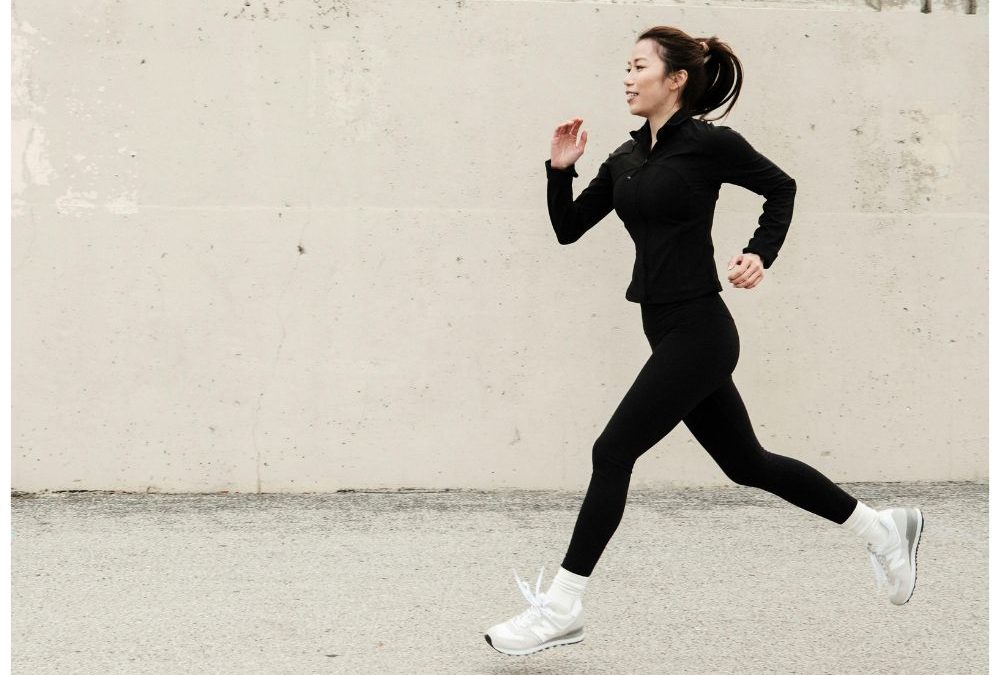
Start now – if you haven’t started pre-season training, do so. Begin a graduated program that is specific to your chosen sport and fitness levels. Increases in training load and intensity should be steady and reflect the requirements of your sport.
Plan – work with your osteopath to develop a plan of attack for the season ahead. This may involve identifying whether you need to work on things like strength, stability, mobility or flexibility and include a combination of clinical and home based approaches.
Warm up properly – your warm up is just as important as training and should be sport specific. It should include a range of exercises that mimic the key components of your sport. Most major sports have released specific “Injury Prevention Programs.” Whilst it is almost impossible to “prevent” some injuries, these programs provide a great framework of warm up and activation exercises to prepare you for the real thing (eg. FIFA 11+ - Soccer, Footy First - AFL, The Knee Program – Netball).
Learn from the past - if you have a history of injury, make sure you have rehabilitated it properly and have worked with your Osteopath to put steps in place to prevent it occurring again. A thorough rehabilitation and strength program is a vital component to avoiding further injury and will compliment the aerobic components of your game well.
Recover well – recovery and the ability to train consistently will ultimately have an enormous effect on your readiness for the season and the ability to maintain your levels of performance during the year. Never underestimate the importance of sleep and nutrition as part of that recovery.
If you have any further questions about pre-season training or preparing for the season ahead don't hesitate to contact the clinic to speak to one of our Osteopaths or Myotherapists.
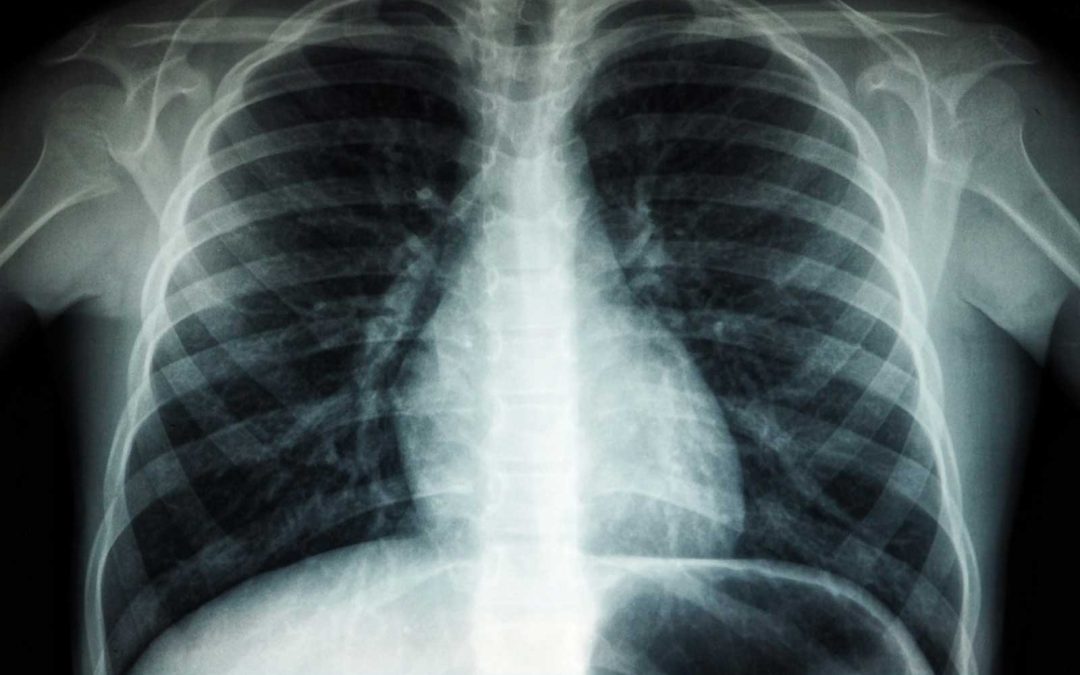
Getting a radiographic scan (MRI, CT scan, X-ray etc.) and report back from a radiologist can be a confusing and confronting time, so lets learn how to understanding your scans. The language used in reports can seem like “double dutch” and correlating the words you see on the page with the pain you are feeling is not always easy without the right help. Thankfully your osteopath or myotherapist is trained to guide you through this process and will discuss the contents of your report with you in detail to dissect what bits relate to your pain and what to do next. Dr Belle Picco, osteopath, guides you through the importance of this.
This is how to understand your medical scans
It is estimated annual that Australia’s annual expenditure on arthritis and other musculoskeletal conditions is $5,690 million – coming in as our fourth most expensive disease group.[1] With this much being spent annually our radiographers are kept busy investigating many patients in this group but the next step is understanding what they find and what to do with it.
The most important thing is to work out what is relevant to your pain and what is not. The image below, from a 2014 study, shows the percentage of “abnormal findings” on lower back MRI and CT scans in people who are actually reporting to be pain free.
Similarly, a 2015 study of over 1000 MRI scans of healthy, pain free individuals found that around 90% of those in their 50’s had some form of disc bulging in their neck.
The lesson here is that while diagnostic imaging is a fantastic way for both the patient and practitioner to gain further understanding of your scans and what is happening internally, the most important thing that your osteopath or myotherapist can do is to help differentiate between the radiographic findings that relate to your pain and those that are “incidental findings.” This is a vital step in the process, as it will help provide a clear prognosis and pathway forward. It is important to keep in mind that you are not your scan results!
At the end of the day your function will determine the pathway forward. Radiographic findings provide us with more information about your clinical picture but your ability to do the things that you want to do and to function day to day will generally be the greatest guide of what we do moving forward. It’s important to remember that many of the findings that we see can and do change over time and in many cases have the ability to self heal.
It is important that any time you have imaging completed, you discuss the findings with your osteopath. At Peak Osteopathy we believe that it is essential that you leave your consultation educated on your condition, allowing you to take ownership over your recovery.
If you have any questions regarding your radiographic findings and what it means for you please do not hesitate to contact the clinic. We would like to see your scan results as an indicator of what you CAN do rather than a list of scary words you don’t understand that stop you doing what you love.
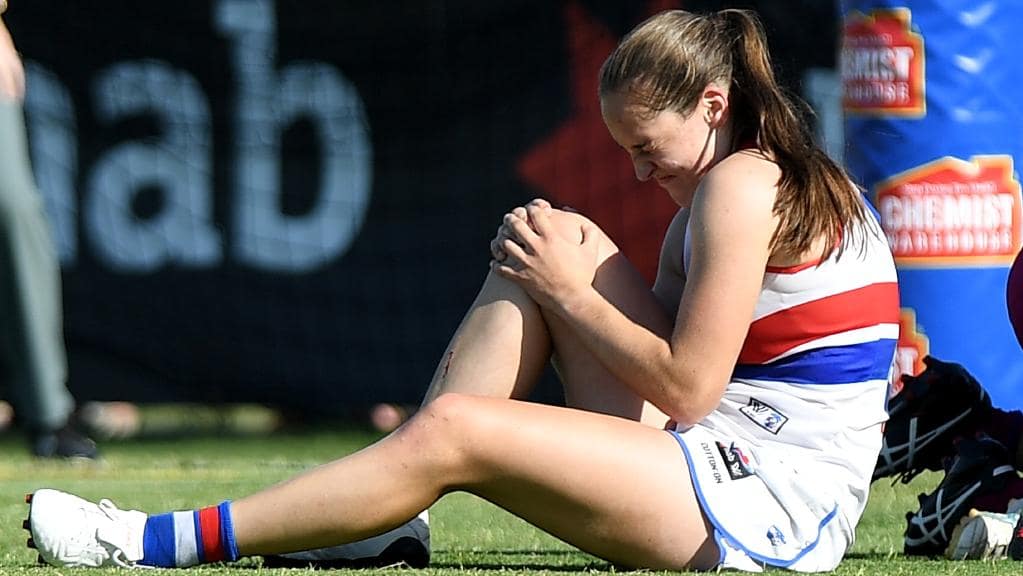
With the advent of AFLW in recent years there has been a sharp increase in the number of young girls and women participating in sport. However, along with the rise in participation, there comes a drastic increase in the number of ACL and knee injuries among female athletes. Recent evidence suggests that females are up to ten times[1] more likely to suffer from an ACL injury than their male counterparts. Sierra Chandler, trainer for the North Melbourne AFLW team and final-year osteopathic student, takes us through how your Osteopath can help you avoid becoming another statistic.
So how do ACL and knee injuries occur for female athletes?
ACL injuries can occur from contact or non-contact mechanisms. Contact injuries are a result of direct trauma to the knee whereas non-contact injuries are associated with change of direction, jumping, landing and rapid deceleration. As most people are aware rehabilitation from such an injury is often lengthy, invasive and frustrating.
Why are women more at risk for getting injuries?
Women have a set of non-modifiable risk factors which unfortunately are things we cannot change. Non-modifiable risk factors include the shape and angle of bones, hormone levels, increased ligament laxity, and a smaller ACL, all of which have been suggested to increase risk of ACL rupture.
There is also a set of modifiable risk factors that apply to all athletes, which include biomechanics, technique, muscular strength, proprioception and neuromuscular control. These are factors that can be improved and your Osteopath can assist with.
What can women do to reduce their risk of ACL injury?
Given that women have so many non-modifiable risk factors it is important that we work to reduce the risks factors that we can control. It is advised that all players take part in a musculoskeletal screening in order to identify and flag potential risk factors, weaknesses and imbalances that may predispose them to ACL injury. Once these risks factors are identified, your practitioner will prescribe you an appropriate intervention program that will target these factors and reduce your risk of injury. Intervention programs do not completely eliminate the risk of ACL injury given that there are still a set of risks we cannot change, however, it has been shown that intervention programs can reduce the risk of knee injuries by up to 50%,[2] while also enhancing overall performance. Nothing can bulletproof a knee but we can help you control the dangers.
If you would like to know more about ACL injury and what you can do to reduce your own risk, contact one of our osteopaths at Peak Osteopathy. Our osteopaths are trained in detecting risk factors and implementing intervention programs.



Recent Comments